Well hello there! It’s been a year, what did we miss?
All kidding aside much has happened over the past year. While our team was alive and well, doing what we do, the site crashed. We can discuss how much effort we had to put into restoring the site from the archive but the long and short of it is that the back end server and hosting needed to be rebuilt almost entirely.
Thank you, Travis, for all your hard work!
In lieu of a broader update, we have decided to focus on catching up on some of the major developments in Cincinnati over the past year. Here’s a brief review of news from 2019 and early 2020:
Of course, we would be remiss to not mention the current COVID-19 crisis. We will continue to track its impacts on urbanism in Cincinnati and beyond. This Friday, the city will close 15 street sections in downtown and Over-the-Rhine to allow for expanded outdoor dining. Other areas may follow.
With the site back, we hope to become a public platform for urban thought in Cincinnati. With most of us now working full-time, we have less time to devote to the site. With that in mind, if you, our reader have an article you would like to submit or an opinion piece, please feel free to contact us at editors@urbancincy.com.
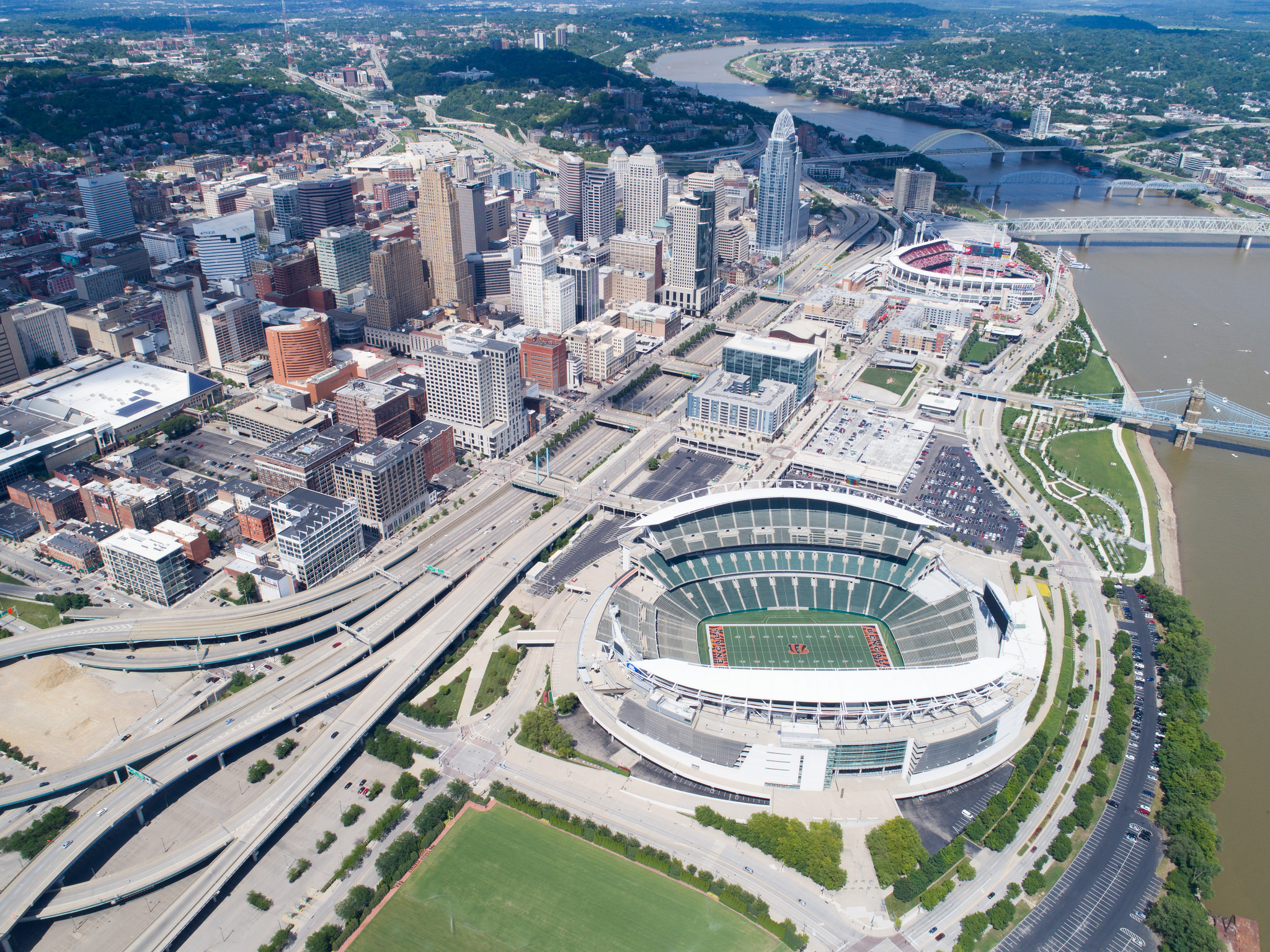
The Banks Garage is one of the largest parking structures in the United States [Photo by Travis Estell]
“The CSO vote has been unanimously taken care of, in case that’s all you were here for,” were city councilman P.G. Sittenfeld’s words of dismissal on Wednesday, June 20th at the city council meeting in regards to the concert venue that is in action to be developed at the Banks. Several people got up to leave after his swift comment, but the questions for city and county leaders were far from being answered.
Music and Event Management Inc., a subsidiary of the Cincinnati Symphony Orchestra, won the vote over the Columbus based PromoWest for who would develop the venue. But we still don’t know which lot the venue will be built in, or if the City will agree to pay for the parking garage pad that will elevate the venue out of the floodplain.
The lots in question are lot 27, a space adjacent to the Paul Brown Stadium which has been a popular location for Bengals fans to tailgate prior to the games, or lot 24, a much larger space across the street just south of Radius at the Banks and General Electric’s Global Operations Center.
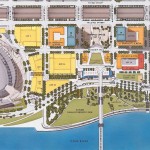
A illustration of the Banks Master Plan with Highway Decks
The Banks Development Plan [Provided]
Vision for The Banks [Provided]
The original Banks plan as envisioned by the Riverfront Steering Committee which was established Qualls.
The Bengals, which claim to have veto rights over development over three stories in height adjacent to the stadium, are partial to the venue being located at lot 24 claiming the usage of the lot for tailgating before Bengals home games. On average the Bengals play eight games at home per season.
Lot 24, however, has already received a submission from a joint venture formed by Jeffrey R. Anderson Real Estate Inc., Pennrose Development and Greiwe Development Group for an $85 million mixed-use project.
A mixed-use development would be in better compliance with the Banks Master Plan, which has been the guiding planning document for the entire development since 2000. The plan identified that lot for mixed-use residential development. Additionally, county leaders have valued property at The Banks at $4 million an acre, so building on a more compact location would leave room available for future developers.
Proposed $75-$85 million development Phase III by Jeffrey R. Anderson, Pennrose, Greiwe Development, and M+A Architects
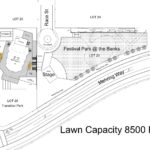
A site schematic of the proposed music venue.
Hamilton County Commissioner Todd Portune has commented on the matter, emphasizing that the Bengals do not have veto rights, but the possibility is open for the development to go somewhere besides lot 27.
Counter to that statement, City Councilman David Mann said that the Bengals do have veto rights over the property. Mayor John Cranley’s response to Mann was that direct negotiations should be made with the Bengals in order to come to an agreement on the location. Cranley said that he, too, is open to lot 24 being used as a music venue. The site already has the parking garage podium built.
Tom Gabelman, the attorney advising the county on The Banks has mentioned that the symphony’s proposal incorporates developing in Lot 27 adjacent to Paul Brown Stadium and keeping Lot 23 as park space for more than 90 percent of the time when it is not being used for outdoor concert space. Portune has said that the city and the county need to come to a decision about the music venue by the end of June.
Yet to be addressed is the status of the parking garage. Presently, Hamilton County commissioners expect the city to contribute up to $10 million for the garage, with all revenue going towards the county. The theory behind having the city contribute is that they would receive financial benefits from the income taxes of the people who lived and worked there.
Cranley has said that the council needs to re-evaluate the city’s relationship with the county when it comes to the dispersion of the revenue. “With GE, we gave 85 percent of income tax back, so it has not worked out how the city believed,” Cranley stated at a joint City Council and Hamilton County Commission meeting in early June. “I’m not aware we have $10 million sitting around somewhere.”
Will the plans for lot 24 to be primarily residential be ignored in order to comply with the disputed veto power of the Bengals? And if so, what does that mean for the rest of the Banks development?
An 18-acre venue where there otherwise would have been residential housing could steer the Banks away from its original vision as a new downtown neighborhood teaming with residents, office workers and visitors to yet another entertainment district. While already bookended by two stadiums, the challenges are great but not insurmountable. Realizing the original vision adds more vibrancy to downtown and further helps grow the city and county tax base.
Ideally, even if the venue is built where MEMI proposed there will be enough land left at the riverfront to develop a complete neighborhood with a retail scene and community gathering spaces the way it was planned.
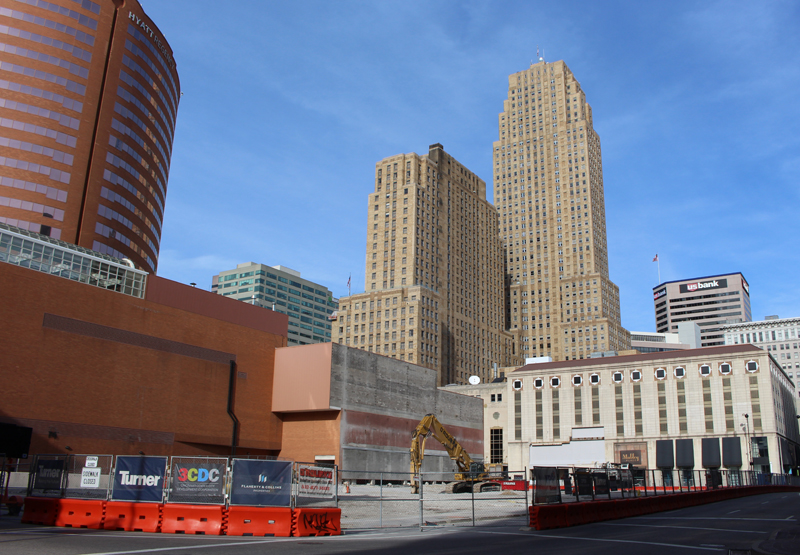
4th and Race Site is cleared and ready for 15-story mixed residential tower.
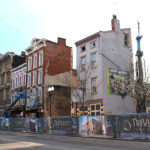
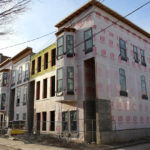
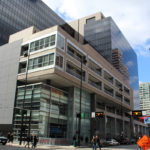
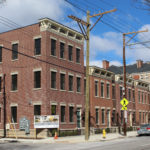
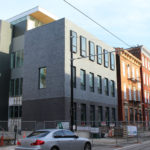
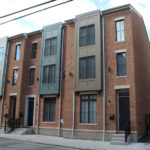
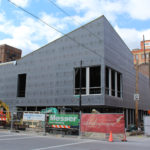
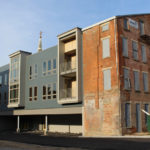
With well over $2 billion in new construction projects underway in Cincinnati’s urban core it is not hard to miss with construction fencing, cranes and lifts working at full tilt all over downtown and Over the Rhine. Many new construction and building renovations are underway throughout downtown and Over-the-Rhine. This gallery features photos of 16 projects taken this month. If added up the projects in the photos below are just a fraction of overall development with just over $400 million in construction activity.
4th and Race Site is cleared and ready for 15-story mixed residential tower.
Encore Apartments across from massive Joseph Auto Parking Lot in downtown [Photo by Eric Anspach]
15th and Vine site will feature a four story office infill by 3CDC.
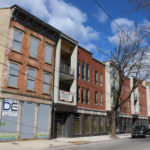
15th St. Townhomes
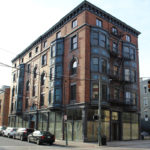
580 Building conversion to apartments should finish by June 2017.
Elm Street Rowhouses by Towne Developement.
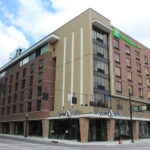
The newly constructed Holiday Inn recently opened last month.
AC Hotel Under Construction
Messer Headquarters under construction in the West End.
Race Street at the Banks – up to 600 residential units planned above garage.
Race Street infill designed by Jose Garcia.
Republic Street Townhouses
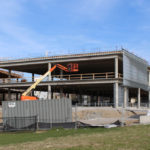
The Otto M. Budig Theater, being built by the Cincinnati Shakespeare Company, at 12th and Elm Streets.
The Allison – 3CDC project at 15th and Race
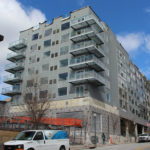
Construction is nearing completion on The Allison , with 17 condominiums and street level retail.
The Kruckemeyer at 15th and Vine was completed last year with 8 condos and street level retail.
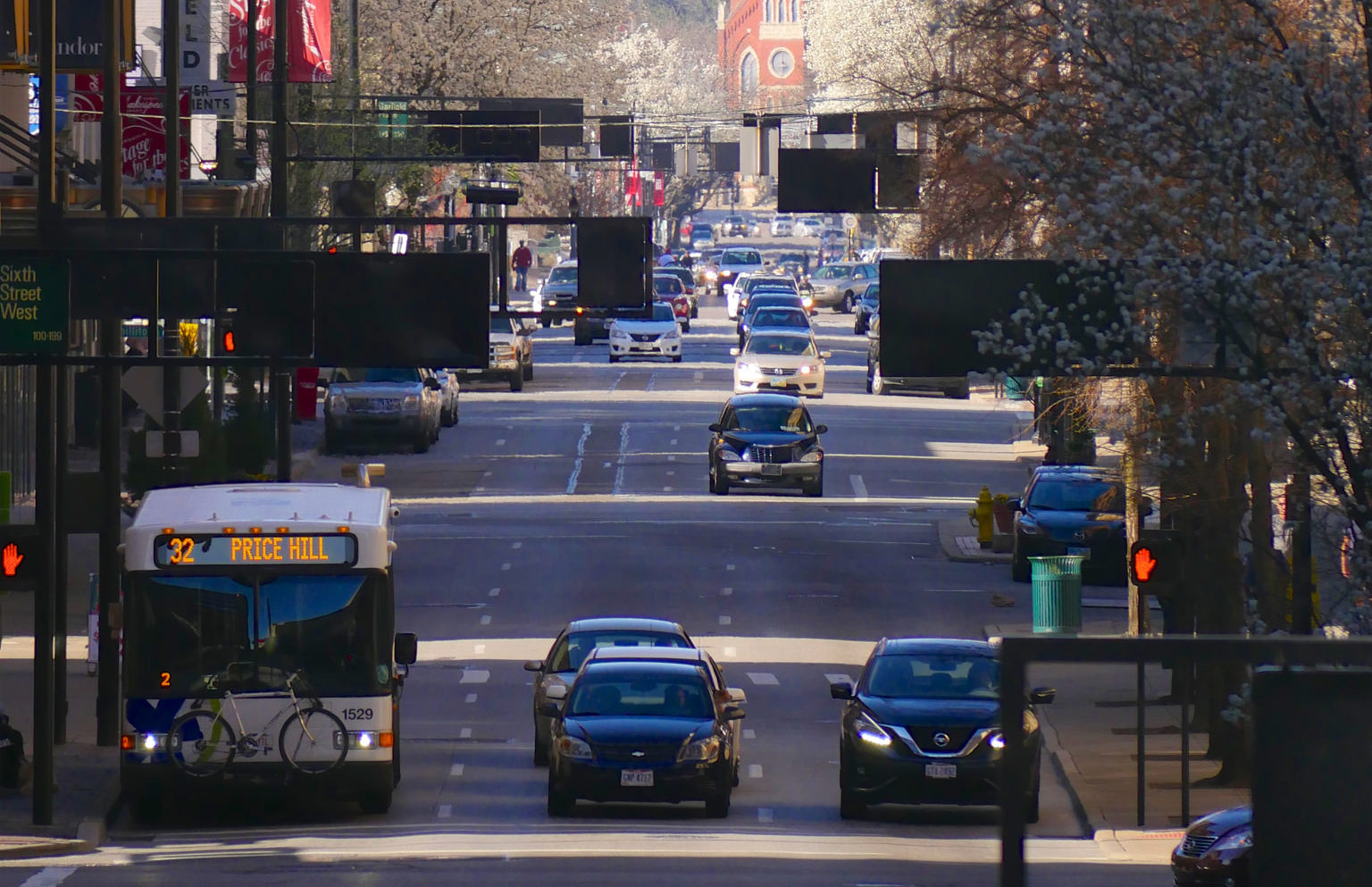
Every weekday tens of thousands of commuters in downtown Cincinnati struggle in traffic to get onto the highway and back to their homes in other neighborhoods or the suburbs. However, City Hall is stalling on taking advantage of a unique opportunity to capitalize on funds to study and re-time the traffic signals to benefit all road users downtown.
The last time the traffic patterns of the city’s downtown Central Business District were studied was in the mid 1990’s. Back then the city had about 80,000 workers (a New York Times article puts the number at 82,000 in 1991) which is about 17,000 more than the most recent Downtown Cincinnati Inc. count of 65,000.
There are plenty of other things that have happened in downtown Cincinnati since the last traffic signal study, such as the reconfiguration and realignment of Fort Washington Way, the building of the Banks development, an increase of over 10,000 residents and of course the Cincinnati Bell Connector streetcar.
A traffic study and signal improvements would benefit all modes of transportation downtown
The funds for the study would come from the Cincinnati Streetcar Contingency Fund, basically funds left over from the construction and startup of the system. The study would not only allow the city’s Department of Transportation and Engineering (DOTE) to conduct the study but also would fund much needed upgrades to signals across downtown.
This would allow for the city to implement a more robust and flexible traffic timing scheme beyond the archaic three phase programming of the current signal system which is only programmed for rush hour, non-rush hour and weekend traffic patterns.
In October, City Council voted to approve a motion to start the traffic study. Since then, however, progress has been stalled for unknown reasons. The study was discussed again in council chambers this week as Council members probed Metro and City Administration on streetcar operations.
Streetcar supporters are quick to blame the city leadership on stalling to create a narrative that the streetcar is a failure. And the response to that, to blame Transdev, the company that operates the streetcar, should not go unheeded. However; the city is stalling on a golden opportunity to modernize and coordinate downtown traffic for the 21st Century.
This is a project that would fit perfectly into the data driven decision-making vision this administration values. And maybe we will all benefit from time saved being stuck in traffic whether we are drivers, pedestrians, cyclists, bus commuters or even streetcar riders.
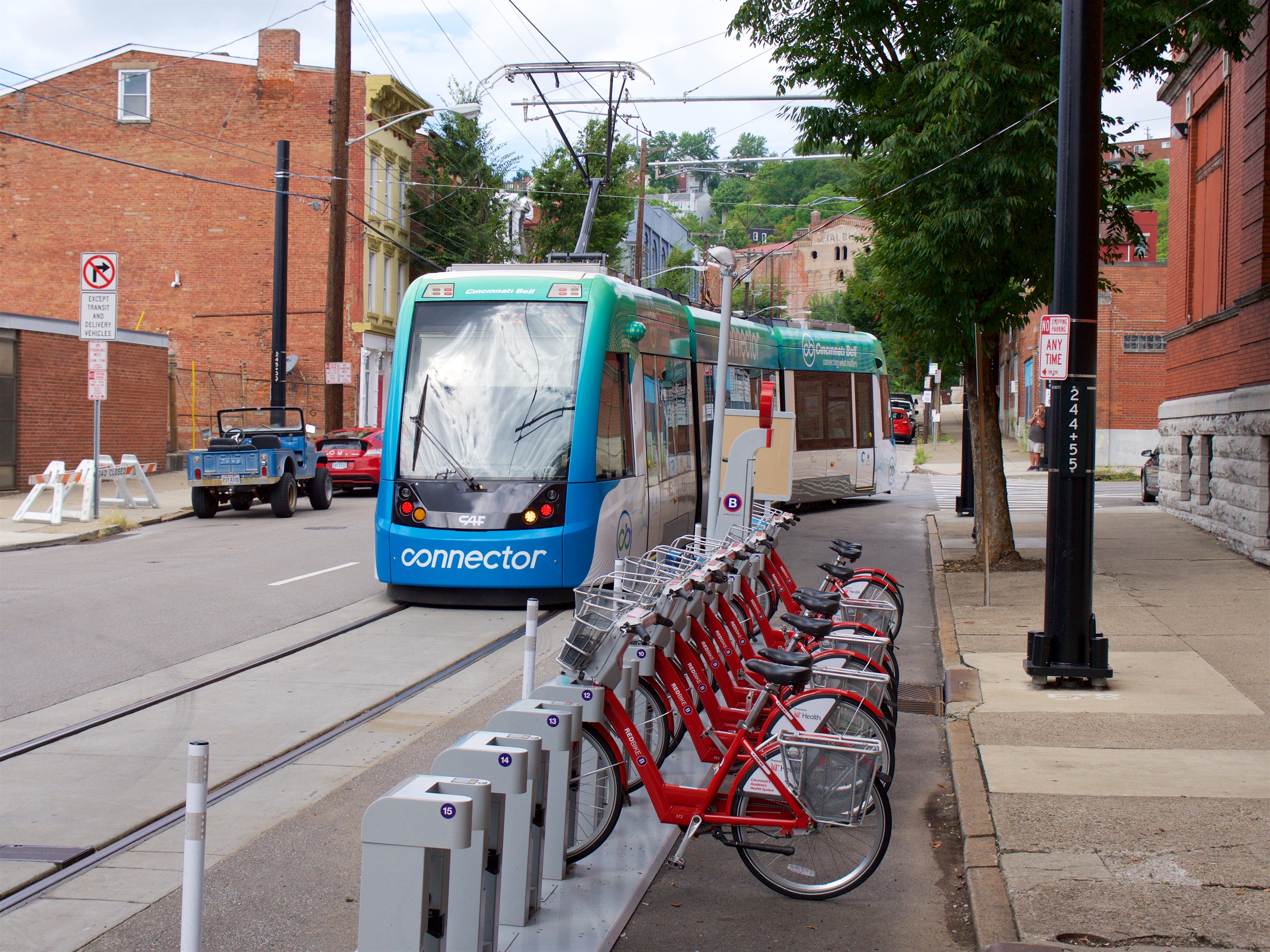
A new Red Bike station has been added right next to the Brewery District streetcar stop.
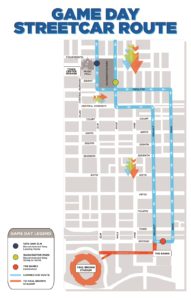
The Bengals will host their first home game of season this Sunday at Paul Brown Stadium. A capacity crowd is expected to fill the stands, and city leaders are looking to provide a variety of options for fans to easily get to and from the game safely.
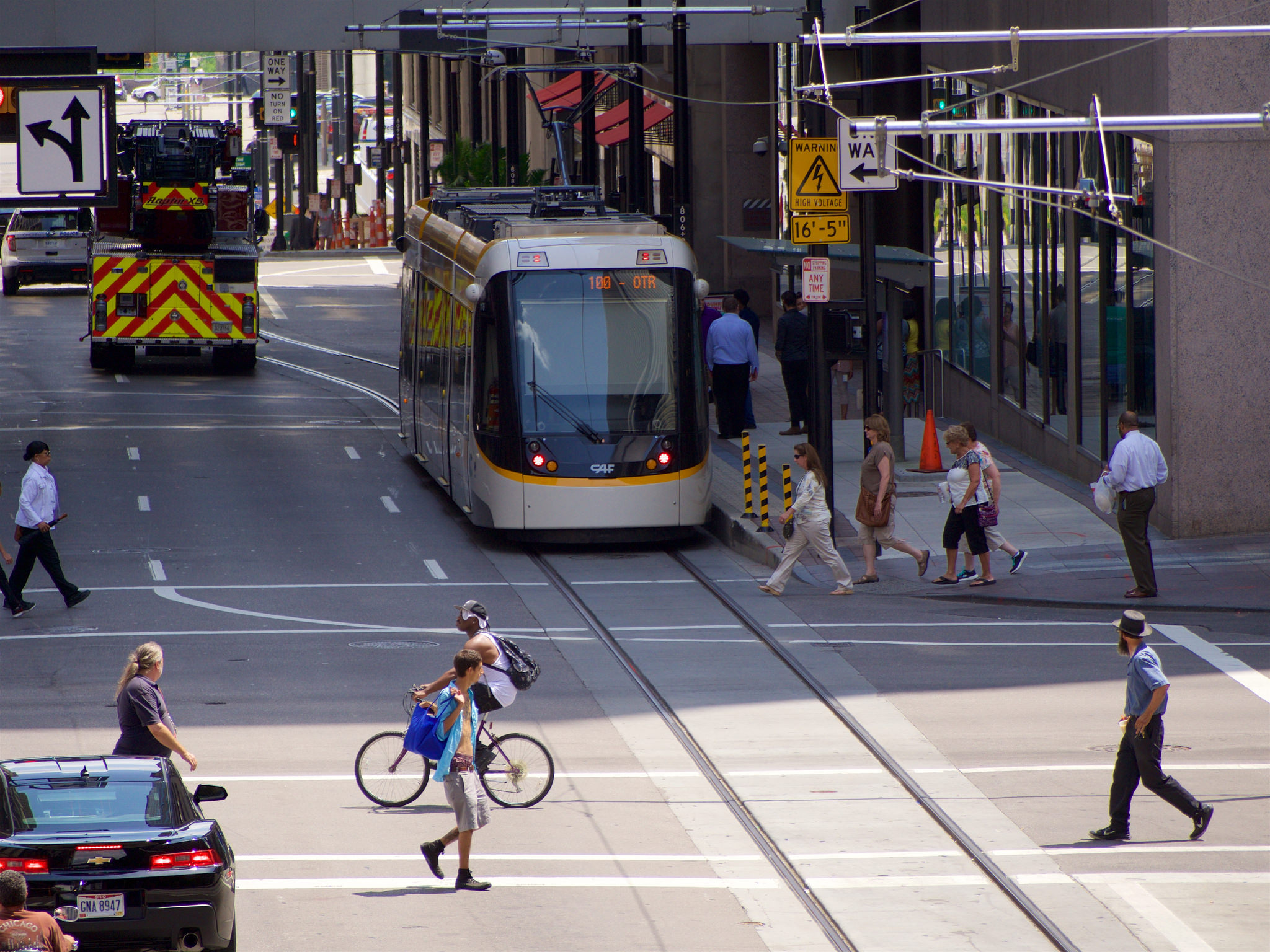
One of those options includes the newly opened Cincinnati Bell Connector. Operating from the northern reaches of Over-the-Rhine to The Banks – just two blocks from Paul Brown Stadium – the streetcar vastly expands the reach of those walking to the game from their home or from their car.
As such, City Hall is offering a first-of-its-kind parking special at the Town Center Garage on Central Parkway. Located within two blocks of two different streetcar stations, parking at Town Center Garage will be offered for just $10 on game days; and the first 100 cars will receive four free streetcar passes.
“The Town Center Garage is a natural extension of game day parking options, and its proximity to two streetcar stops makes it a natural fit for fans looking to save money and avoid game day traffic,” said Oscar Bedolla, Director of Cincinnati’s Department of Community and Economic Development.
City officials are encouraging fans to come early on game day to enjoy all the offerings along the Cincinnati Bell Connector route, including the tailgate party at The Banks, watch party on Fountain Square and numerous bars, restaurants and shops throughout Over-the-Rhine.
“What we are looking to do here is take full advantage of the link that the Cincinnati Bell Connector offers from Over-the-Rhine to Downtown, to the benefit of football fans,” Parking Division Manager Daniel Fortinberry said in a prepared statement. “We see this as a fun way for fans to get to and from the game.”
The first weekend the streetcar was open saw more than 50,000 riders take advantage of free service. The second weekend, which coincided with Oktoberfest Zinzinnati, saw more than 29,000 riders pay to ride the Cincinnati Bell Connector. With large crowds expected at the Bengals game and MidPoint Music Festival, another large number of riders is anticipated for this weekend.
In addition to the parking special and streetcar service, Metro has again partnered with Miller Lite to offer free rides on Metro bus service from 7am to midnight this Sunday.
While the special partnership is an effort to cut back on drunk driving, it also offers Cincinnatians a good chance to check out Metro bus service for free – not just going to the game, but anywhere on Metro’s regional system.
“As a transit system, the safety of our customers is always our top priority,” said Dwight Ferrell, Cincinnati Metro CEO & General Manager. “Thanks to Miller Lite, Bengals fans will now be able to enjoy the game even more by letting Metro be their designated driver with free rides to and from the stadium.”
The Bengals (1-1) will take on the defending Super Bowl champion Broncos (2-0) this Sunday at 1pm along the central riverfront at Paul Brown Stadium.




 The
The