Cincinnati officials select Vine Street route for uptown streetcar connection

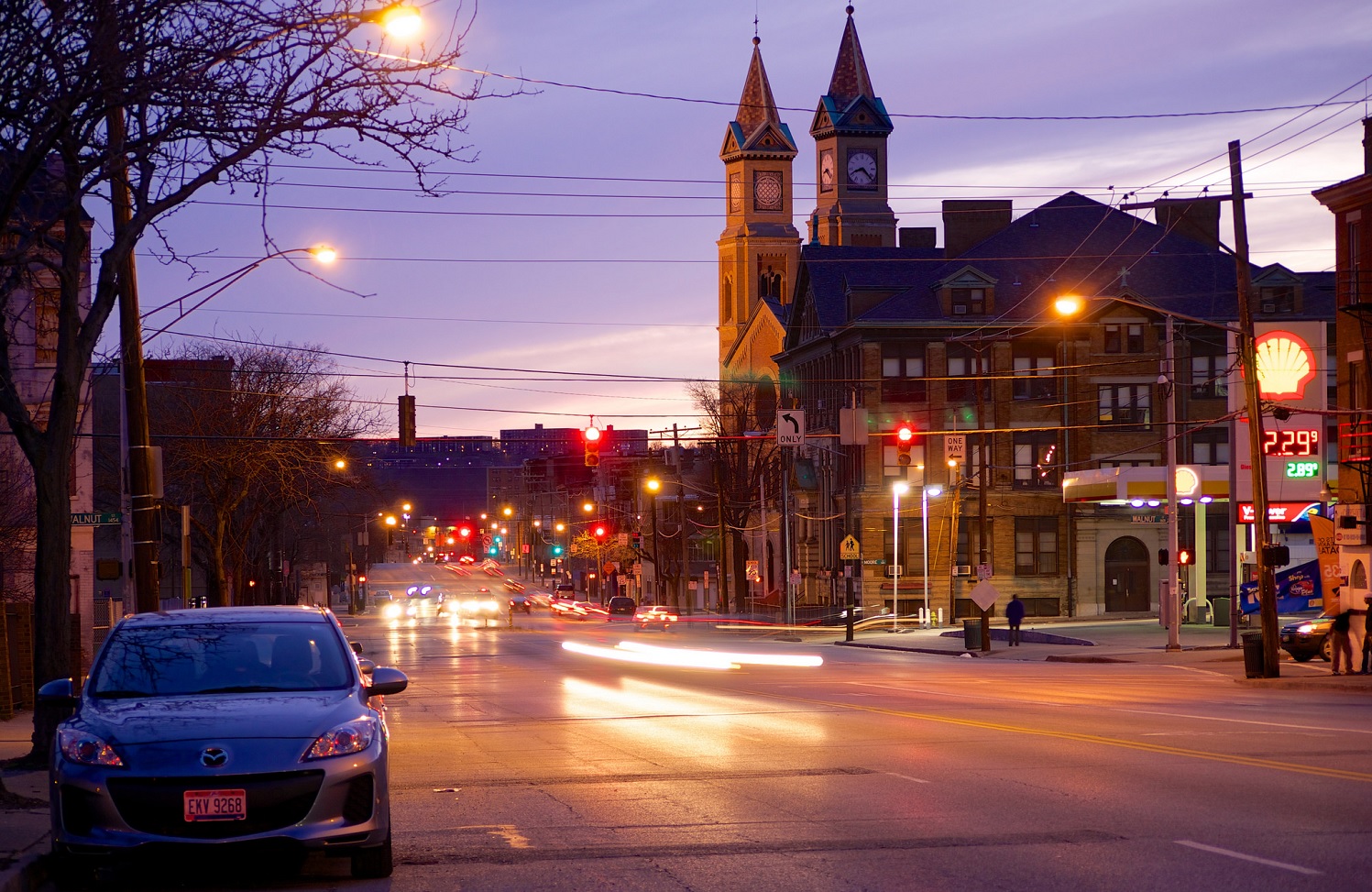
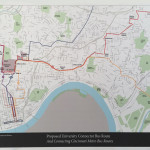
City officials have announced that Vine Street has been chosen as the path for the Cincinnati Streetcar to reach the uptown area. The decision comes after a comprehensive study was conducted to determine which route would best connect downtown with uptown, while also best managing the steep hillsides there.

“Our direction from city council has always been to ‘connect the dots,’ but to do so in a way that was fiscally responsible,” stated Cincinnati City Manager Milton Dohoney in a prepared release. “The Vine Street route accomplishes that.”

The Vine Street route is estimated to cost $20 million less in capital costs, offer $250,000 in savings annually in operations, pose fewer engineering challenges, and also offer greater options for future expansions than the West Clifton Avenue alternative. According to City officials, Vine Street and West Clifton Avenue stakeholders have been meeting to discuss the alternatives for months, and that the group had been informed of the final decision yesterday.

One of the primary objectives of the study was to determine how to best navigate the steep hillside leading to and from the uptown area. In this case, Vine Street’s maximum 6.7 percent grade scored much better than West Clifton Avenue’s maximum 8.9 percent grade. The project team said that while United Streetcar/Oregon Iron Works, Siemens, Inekon, Kinkisharyo, and Bombardier all could build modern streetcars to handle such grades, the preference was for engineering simplicity.

In addition to the engineering aspects, many streetcar supporters believe the selected route to get uptown will present greater opportunities long-term.

“The Vine Street route will offer the fastest service between Cincinnati’s two largest employment centers,” said Brad Thomas, Founder, CincyStreetcar.com. “The route also presents the greatest opportunity for future expansions including extensions west to Clifton Heights, north to Avondale and Corryville, or east to Walnut Hills.”

To date, the city has secured $114.5 million out of the total $128 million to build the entire first phase running from Cincinnati’s central riverfront to its uptown neighborhoods. The modern streetcar system will be the first of its kind in the Midwest and one of only three like systems in the United States. The first construction is expected to begin fall 2010 with the first passengers riding in early 2013.

Community partners celebrate kickoff of Corryville Neighborhood Enhancement Program

City officials and neighborhood leaders gathered at the Corryville Recreation Center this morning to celebrate the kickoff of the Corryville Neighborhood Enhancement Program (NEP).

At the announcement Cincinnati Mayor Mark Mallory was joined by University of Cincinnati President Gregory Williams, City Manager Milton Dohoney, and the many organizations working together during the 90-day blitz.

The concentrated neighborhood improvement effort focuses on removing blight, thus reducing quality of life crimes, and improving the neighborhood. To date, the acclaimed program has been implemented in seven neighborhoods including Price Hill, Avondale, Westwood, Evanston, College Hill, Clifton Heights/University Heights/Fairview Heights (CUF), and Mt. Washington.

The impacts have been profound as the program has helped reduce blight by an average of 15 percent through thousands of building inspections. Officials attribute much of the program’s success to the group of program partners that work to identify and cool down crime hot spots; clean up streets, sidewalks, and vacant lots; beautify landscapes, streetscapes, and the public right-of-way; and engage residents in a way that keeps them motivated after the first 90 days.

The Corryville program was made possible in large part thanks to a $5,000 donation from U.S. Bank that leveraged an additional $8,000 in corporate and community investment. City officials state that the funds will be used for materials and supplies that will help to improve the cleanliness, beauty, safety, and quality of the Corryville neighborhood.

Plan Cincinnati to host learning forums on local planning initiatives

Plan Cincinnati will host two summer learning forums this month that will include information about local plans in place guiding the city’s new comprehensive plan, and what regional efforts are currently underway to help implement such initiatives.

The first of the two meetings will take place on Wednesday, August 4 in Corryville. This forum will include a panel made up of Larry Falkin from the Office of Environmental Quality, Terry Grundy from the United Way, Eric Rademacher from the University of Cincinnati, and Sam Stephens from the Department of Community Development.

The panel will engage in a moderated discussion of local plans and policies currently in place. Forum organizers say that the discussion will specifically focus on plans like GO Cincinnati, the State of the Community Report & Indicators, and Green Cincinnati that are seen as important factors helping to shape the comprehensive planning process currently underway.

The second forum will focus on regional efforts like Agenda 360, the award-winning Community COMPASS, 2030 Transportation Plan, and Strategic Regional Policy Plan developed by the OKI Regional Council of Governments. This forum will also include a moderated panel discussion made up by Todd Kinskey from the Hamilton County Regional Planning Commission, Robert Koehler and Emi Randall from OKI, and Mary Stagaman from Agenda 360. This forum on regional plans and policies is scheduled to take place on Thursday, August 26.

Cincinnati City Council is expected to vote on the completed comprehensive plan in 2011.  Cincinnati was the first major American city to adopt a comprehensive plan in 1925, but it has been 30 years since the last comprehensive plan was completed and updated in 1980.

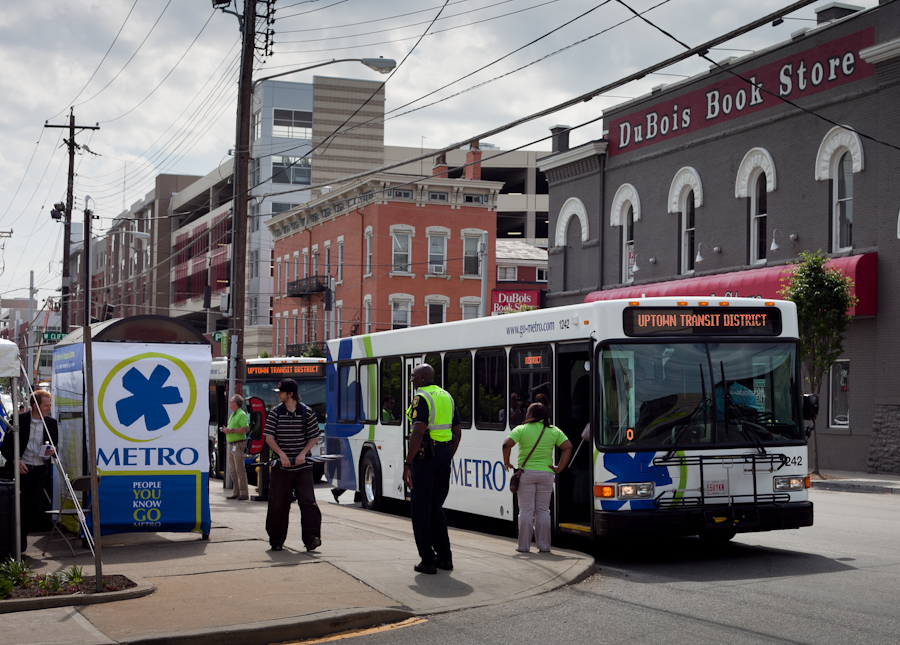
Both forums are will be held from 7pm to 9pm in the auditorium of the CPS Education Center in Corryville (map). On-street automobile parking, free bicycle parking, and Metro bus service (plan your trip) is available for this location.

Cincinnati showing improvements over 2000 Census response rates

Lower Price Hill, the West End, Over-the-Rhine, Mt. Auburn, Clifton Heights and Corryville make up much of Cincinnati’s center city neighborhoods, and they also represent some of the lowest Census 2010 response rates to date. As of Monday, April 12 most of Cincinnati’s center city neighborhoods were below the 66% national average response rate while the East End, Clifton, Hyde Park, East Walnut Hills and Mt. Lookout all reporting at or above the national average.

A Census tract representing the northern portion of the West End is currently at a low 39%, while two Census tracts representing Pendleton and part of Walnut Hills have registered 43% and 42% response rates respectively. The lowest in the City of Cincinnati is Fay Apartments, an official City neighborhood and its own Census tract, at 34%. The City of Cincinnati in its entirety is at 63%, while Hamilton County has a 71% response rate making it the highest of Ohio’s five most populous counties.

Back in Cincinnati’s center city the success story is overwhelmingly the Census tracts that make up Over-the-Rhine. All four of the Census tracts there are already well above the Census 2000 response rates with two of the tracts a dramatic 21% higher already. Meanwhile, the Census tract in Over-the-Rhine that has been publicized for being one of the most difficult to count in the nation is currently at 44% which is 17% higher than the final Census 2000 tally.

“We are pleased with the appearance of an increase in participation, especially in OTR,” said Katherine Keough-Jurs, Senior City Planner with the City of Cincinnati’s Department of City Planning & Buildings who went on to note that the data collection methods differ from 2000 to 2010 and thus make the numbers more difficult to compare.

“Technically, comparing 2000 to 2010 is little bit like comparing apples and oranges,” Keough-Jurs explained. “Still, we are pleased that so far OTR is showing 40% to 53% participation rates and that some City neighborhoods are as high as 80%.”

The areas surrounding the University of Cincinnati had initially been slow to report and were initially some of the most under-performing in Cincinnati. The past week has seen a rapid increase in the number of responses in these neighborhoods with all now reporting at levels comparable to 2000 Census response rates with months still to go thanks to a 10% surge.

Cincinnati Counts workers have been hitting Cincinnati’s streets for months working to inform people about the 2010 Census. The good looking group on the right is a group of fellow Urban Planning students I knew while at the University of Cincinnati (shout out!).

The real paradigm exists when you move from the difficulties of counting center city populations to their suburban counterparts. As of April 12th, the west side community of Green Township boasted the highest response rate (83%) in the entire nation for communities with more than 50,000 people.

Census workers will continue to visit households that have yet to respond through July to help drive up those response rates before they must, by law, deliver the Census results to the President in December. Keough-Jurs notes that households with forms not turned in by Friday, April 16 may receive a visit from a door-to-door enumerator in May.

“Our 100-plus Complete Count Committee members are still working hard to get the word out that the census is simple, safe and important, and reminding people to complete and return their Census forms,” explained Keough-Jurs.

Those who have lost or have not received a form can pick up an additional form at local libraries and post offices. There are also Be Counted Centers that have forms available, and Questionnaire Assistance Centers that have helpers there to assist individuals with filling out their forms. You can find the closest Be Counted or Questionnaire Assistance Center near you online.

Cincinnati kicks off Uptown street rehabilitation projects

The City of Cincinnati is starting several street rehabilitation projects in Mt. Auburn, Walnut Hills Clifton Heights and Corryville. Auburn Avenue, Burnet Avenue, McMillan Street, Vine Street and William Howard Taft Road will all be affected by the various improvements totaling $2.3 million.

Depending on each street’s current condition they will receive partial- or full-depth repairs followed a process that will grind off the existing asphalt. According to Don Steins, Senior Engineer with Cincinnati’s Department of Transportation & Engineering (DOTE), the partial and full-depth repairs will last approximately two weeks.

From there, crews from Little Miami Construction Company will replace deteriorated curbs, construct curb ramps, sidewalks/driveway aprons where necessary, adjust utility castings, and resurface all of the pavement area. All of the street rehabilitation work should be completed by early August, 2010.

Steins noted that this time line might very well change with the potential addition of other Clifton Heights streetscaping work, and said that the DOTE is encouraging drivers to use alternative routes during the reconstruction process. While reconstruction takes place there will always be some degree of access for drivers, and during morning and evening rush hour times all lanes will be open to traffic.

This Week in Soapbox – 4/6

This Week in Soapbox, UrbanCincy has the following seven stories to check out. Read about an innovative solar project in Oakley, Price Hill’s showcase of homes, the newly dubbed Cincinnati Restaurant Row, a new medical building in Corryville, boutique bowling coming to Nky, and two feature stories this week focusing on Cincinnati’s status as a king of beers and the city’s art collective consciousness.

If you’re interested in staying in touch with some of the latest development news in Cincinnati please check out this week’s stories and sign up for the weekly E-Zine sent out by Soapbox Cincinnati. Also be sure to become a fan of Soapbox on Facebook!

TWIS 4/6/10:

  • Brazee Street Studios installing innovative tubular solar panelsfull article
  • Price Hill to showcase community, impressive housing stockfull article
  • New urban retail specialists developing a plan for Cincinnati’s center cityfull article
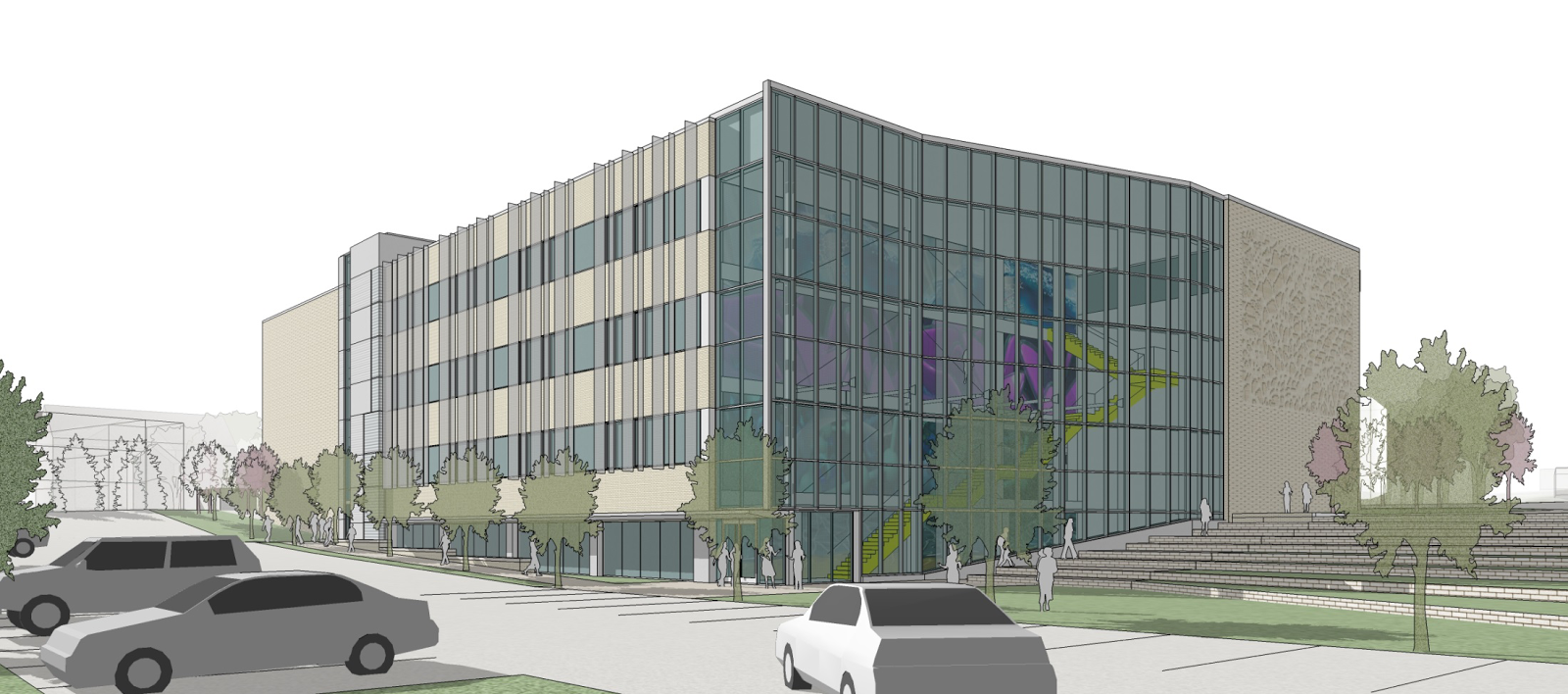
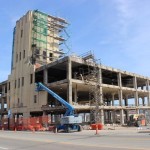
  • Medical building rising in Uptown’s Corryville neighborhood - full article
  • Boutique bowling lounge to open at Newport on the Levee - full article
  • King of Beers (feature story)full article
  • Cincinnati’s Art Collective Consciousness (feature story)full article

Make your plans now for Bockfest 2010

There are many things to get excited about when it comes to Bockfest that go beyond the wonderful, oh so wonderful, beer. Some of that excitement should revolve around the many great events and features of the celebration this weekend. While Bockfest truly does not start until Friday evening, things get an early start today. Take a look a UrbanCincy’s Bockfest celebration picks below to start planning out your Bockfest lineup.

Mecklenberg Gardens – Tonight, March 3, Cincinnati landmark Mecklenburg Gardens will be hosting the tapping of Hudepohl Bock & Schoenling Bock starting at 5PM. The event is free and open to the public as some lucky folks will be able to get the first few drinks of Hudepohl Bock, the 2009 Bockfest homebrew winner, and Schoenling Bock which returns after nearly a 25 year absence.

Bockfest Parade – The annual Bockfest Parade rolls through the streets of Downtown and historic Over-the-Rhine on Friday evening to officially kick off the weekend’s festivities. The parade will start in front of Arnold’s Bar & Grill at 5:30pm and will head north along Main Street through OTR. You can either watch the parade from along the route or join in as it requires no advance sign up.

Bock Beer – Bock Beer is a centuries old tradition dating back to 14th Century monks that brewed it during Lent while they fasted. It is always a sign of the coming spring and does pack a potent punch. There will be no shortage of Bock beers to try over the weekend including many offerings from Greg Hardman and our friends at Christian Moerlein.

Bockfest Hall – Every year Bockfest Hall is the cornerstone of the festival and this year is no exception. The one thing that is different this year though is that Bockfest Hall is part of what was the historic Kauffmann Brewery near Vine & Liberty streets (map) in Over-the-Rhine. Be a part of history and have a beer in an old Cincinnati brewery that is also rumored for “big” news in the near future.

Arnold’s – Cincinnati’s oldest continually operating tavern, Arnold’s, will be playing host to entertainment through the weekend, has a special Bockfest menu that is definitely worth checking out, and will feature six Bock beers on tap, the most of any Bockfest establishment.

Free Shuttle – Bockfest Hall & Arnolds are only two of the participating venues at Bockfest, and all weekend a free shuttle (see map above) will run between all of the participating Bockfest establishments. Not only is this beneficial because it gives you access to many venues around the area, but it works great as you can park near any establishment and hop on the shuttle for the night (sounds a little familiar to something else being proposed).

Great Local Music – Great music occurs all weekend long at the participating Bockfest venues, but the one can’t miss act has to be local favorite Jake Speed & the Freddies who will be playing their Cincinnati flavored tunes at Bockfest Hall on Friday evening. Here are the rest of the Friday, Saturday, and Sunday events and bands that can be found at any one of the 13 participating venues.

Great Cincinnati Food – While the 14th Century monks may have brewed Bock beer because they were fasting during lent, you won’t have to. Food can be had at the many fine establishments as well as Bockfest Hall which will feature German food from Mecklenburg Gardens and waffles from Taste of Belgium.

Hudy Bock & the Homebrew Contest – This event, brings together home brewers from around the city to compete in a contest to see who makes the best Bock beer. While many varieties will be judged, the winner of the Traditional Bock category will be honored by Christian Moerlein who will use the recipe for the 2011 version of Hudepohl Bock. The competition starts at noon on Saturday at Bockfest Hall.

The annual Bockfest Parade kicks off the weekend of festivities Friday at 5:30pm – photo by SlimWhitman.

“Little Kings” Sausage Queen Finals – To be held at Bockfest Hall on Saturday evening at 8pm this event is not to be missed as the Sausage Queen of the festival will be crowned. The road to becoming the Sausage Queen includes making it through preliminary rounds that have been held over the last few weeks and is a high honor for whomever is wins the crown. The contest has become legendary and is always lots of fun.

Historic Church Tour – New to Bockfest this year is the Sunday afternoon Historic Church Tour of six of Cincinnati’s most historic churches located in Over-the-Rhine. The tour starts at 2pm and is scheduled to last for two hours. The price of admission to the tour is $20 and includes drink tickets for Bockfest Hall.

Regardless of how much time you spend at Bockfest, it looks to be a great weekend. Temperatures look to be in the mid to upper 40′s with clear skies. There will always be something happening, and with the free shuttle getting from place to place should be very easy. So take the time to come have some fun and support Cincinnati’s rich brewing history and the time old tradition of the coming of spring with Bockfest 2010.

Photo of Tom Hartman at Mecklenberg Gardens from BuyCincy.